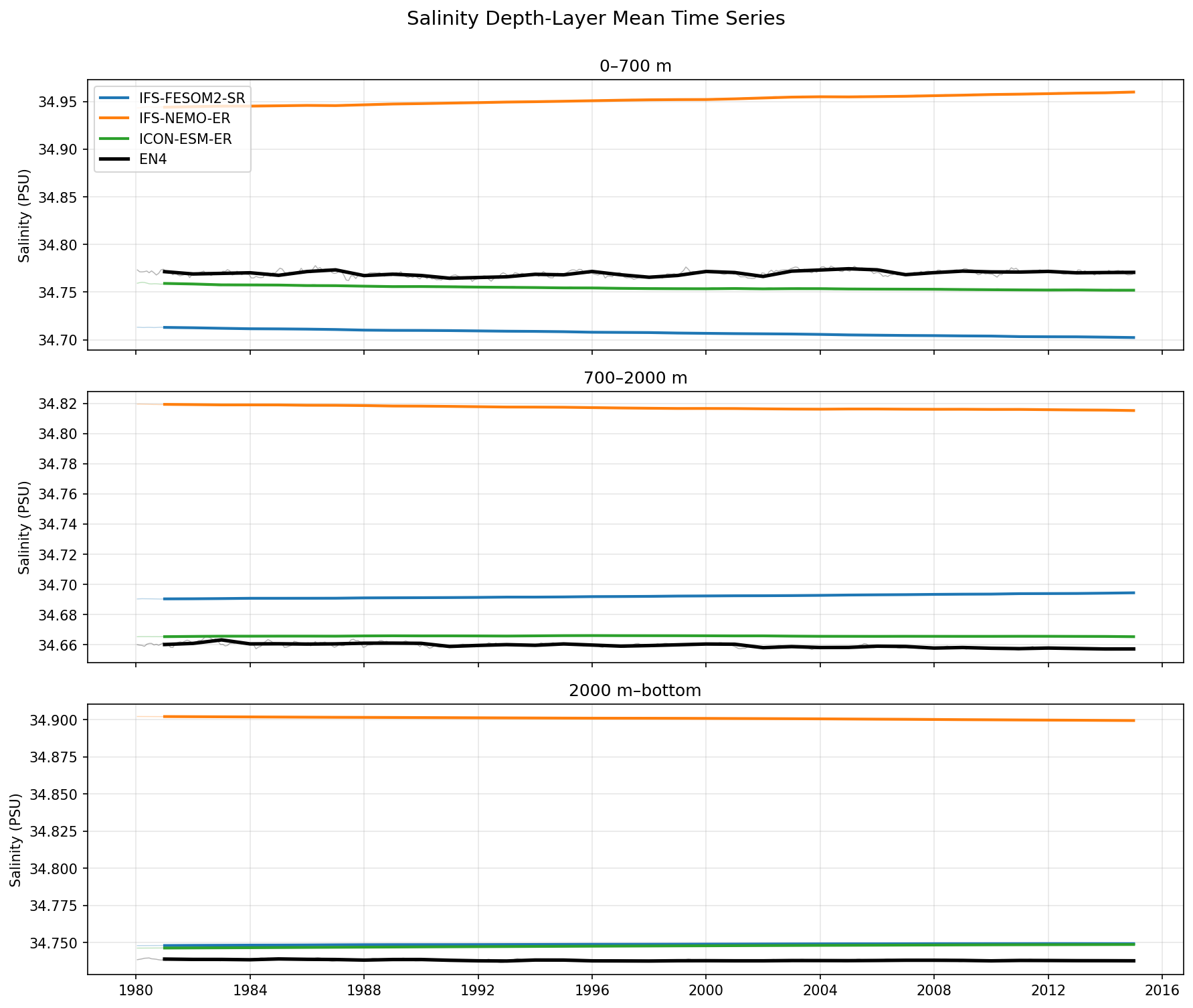
Diagnostic Dashboard
Global Biases
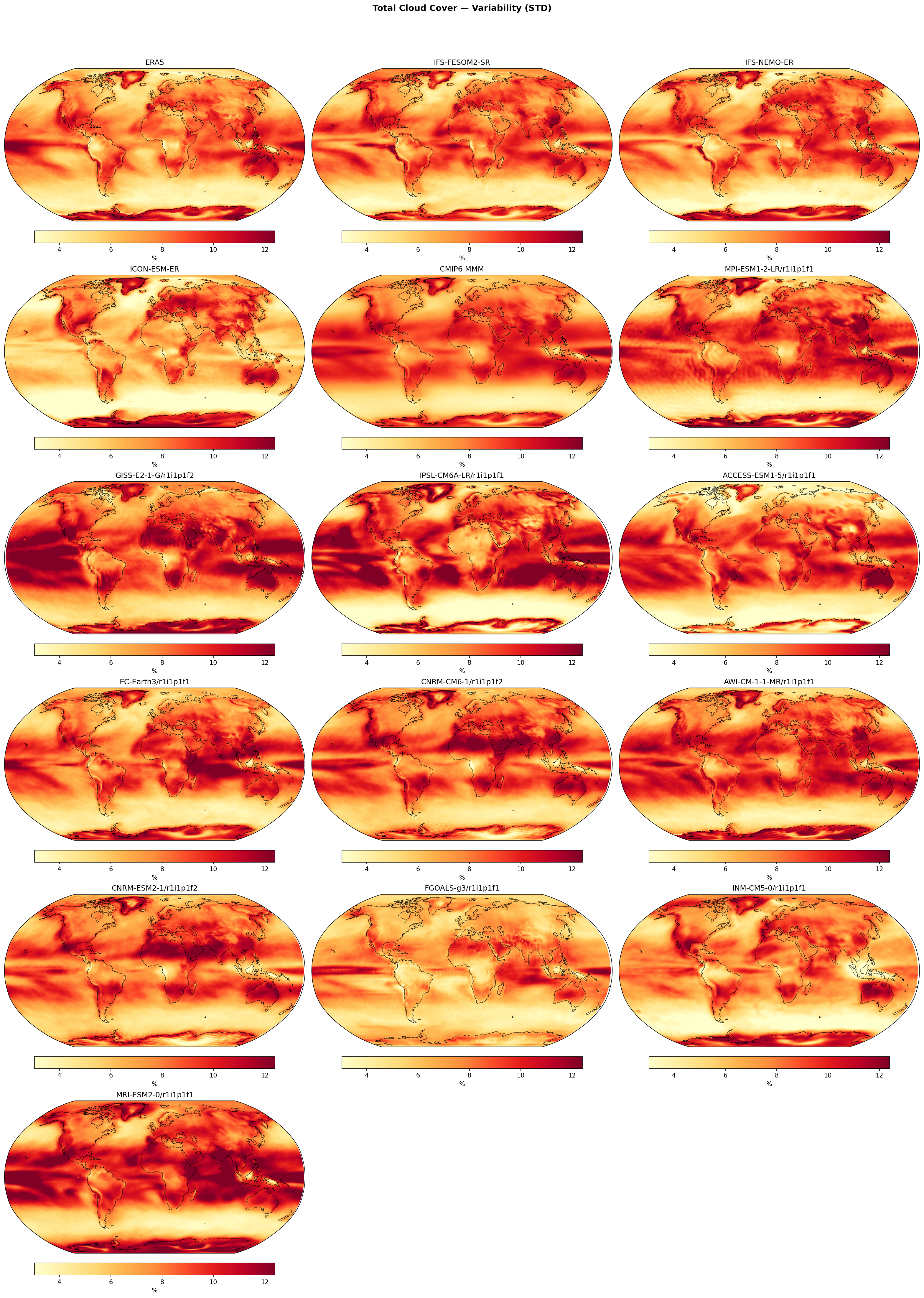
Climate Variability (ERA5)
CMIP6
IFS-NEMO-ER outperforms both ICON-ESM-ER and CMIP6 by accurately resolving high-variability ocean-atmosphere exchange in Western Boundary Currents while avoiding the excessive 'flickering' of radiative fluxes seen in standard-resolution models.
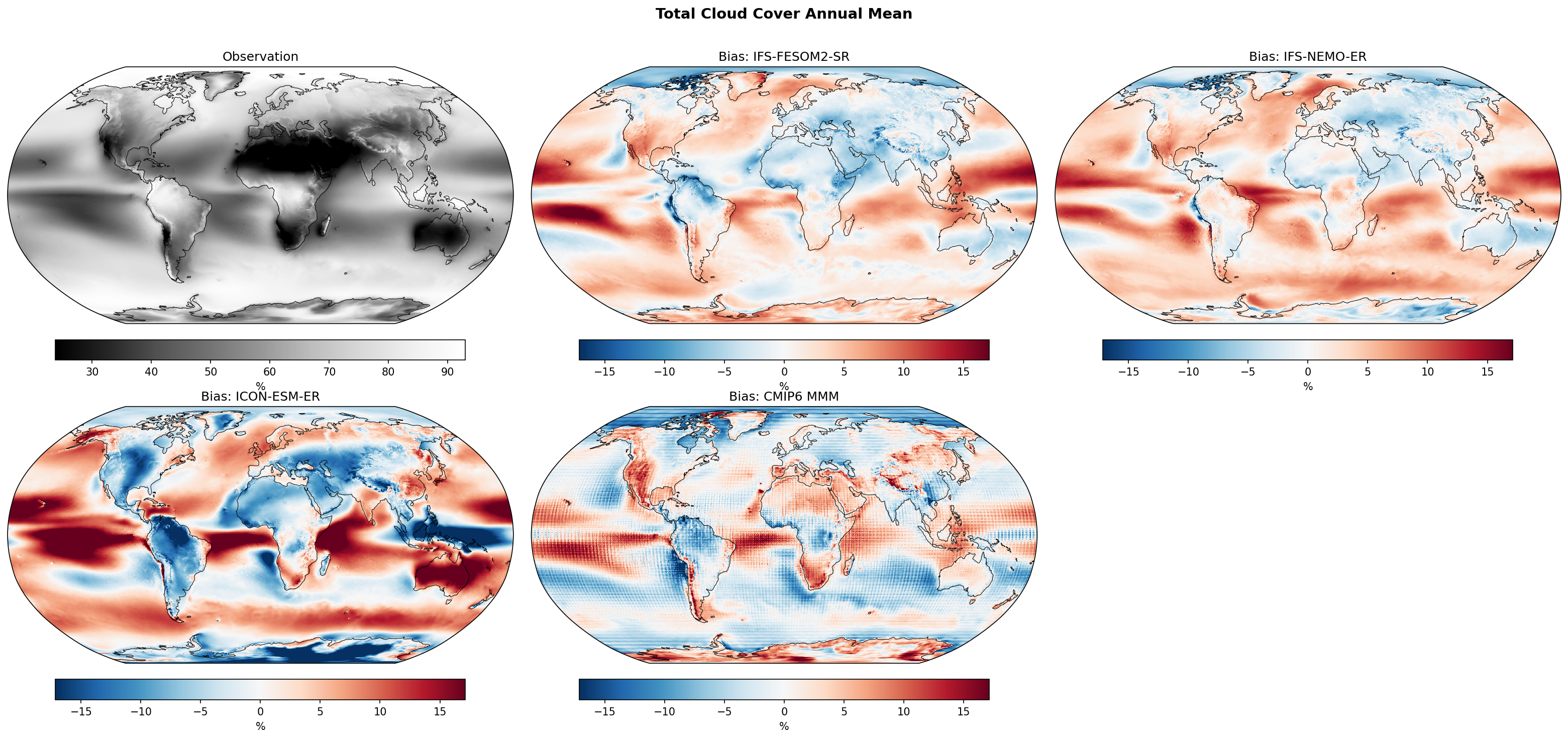
Global Climatology Biases
CMIP6
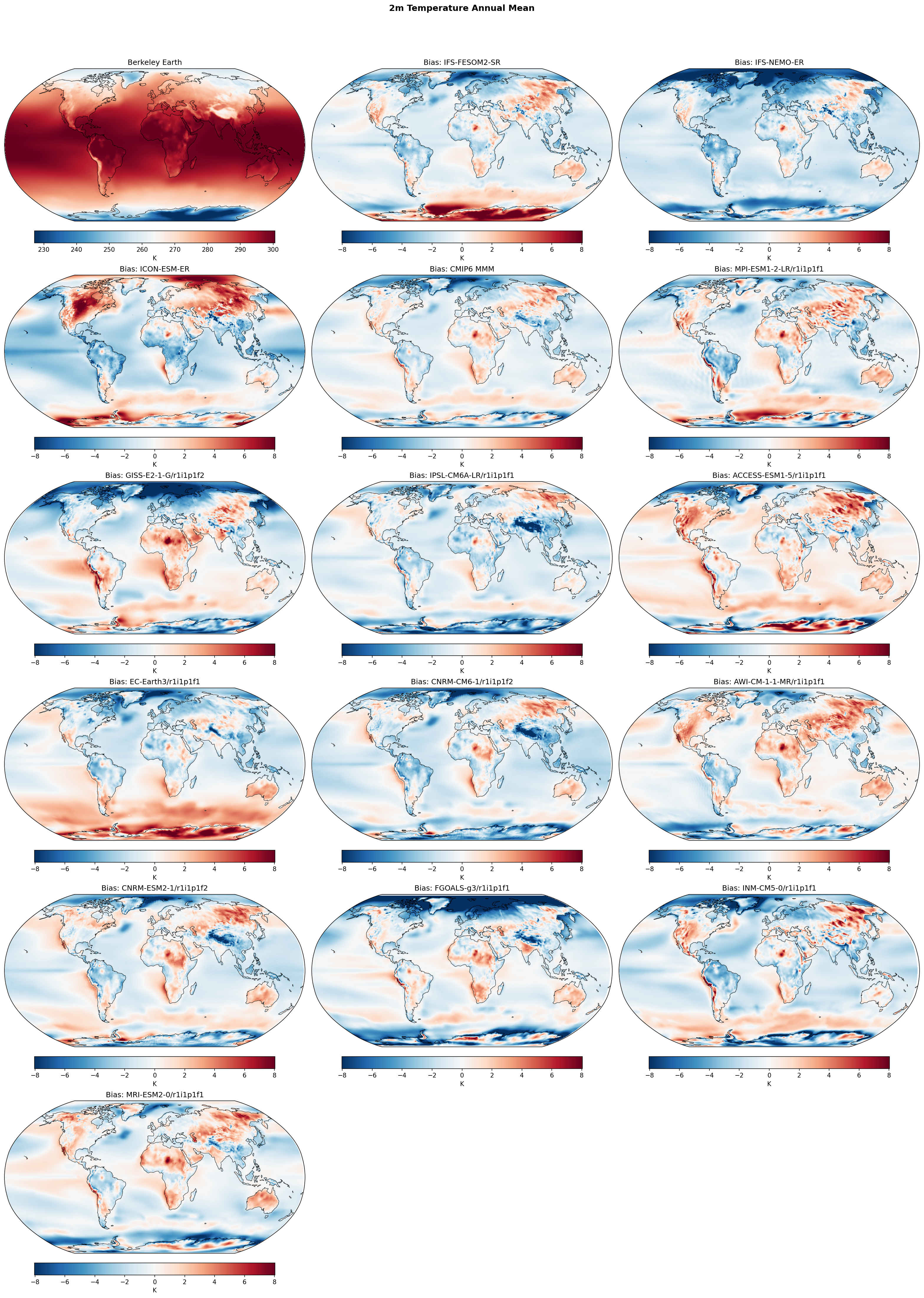
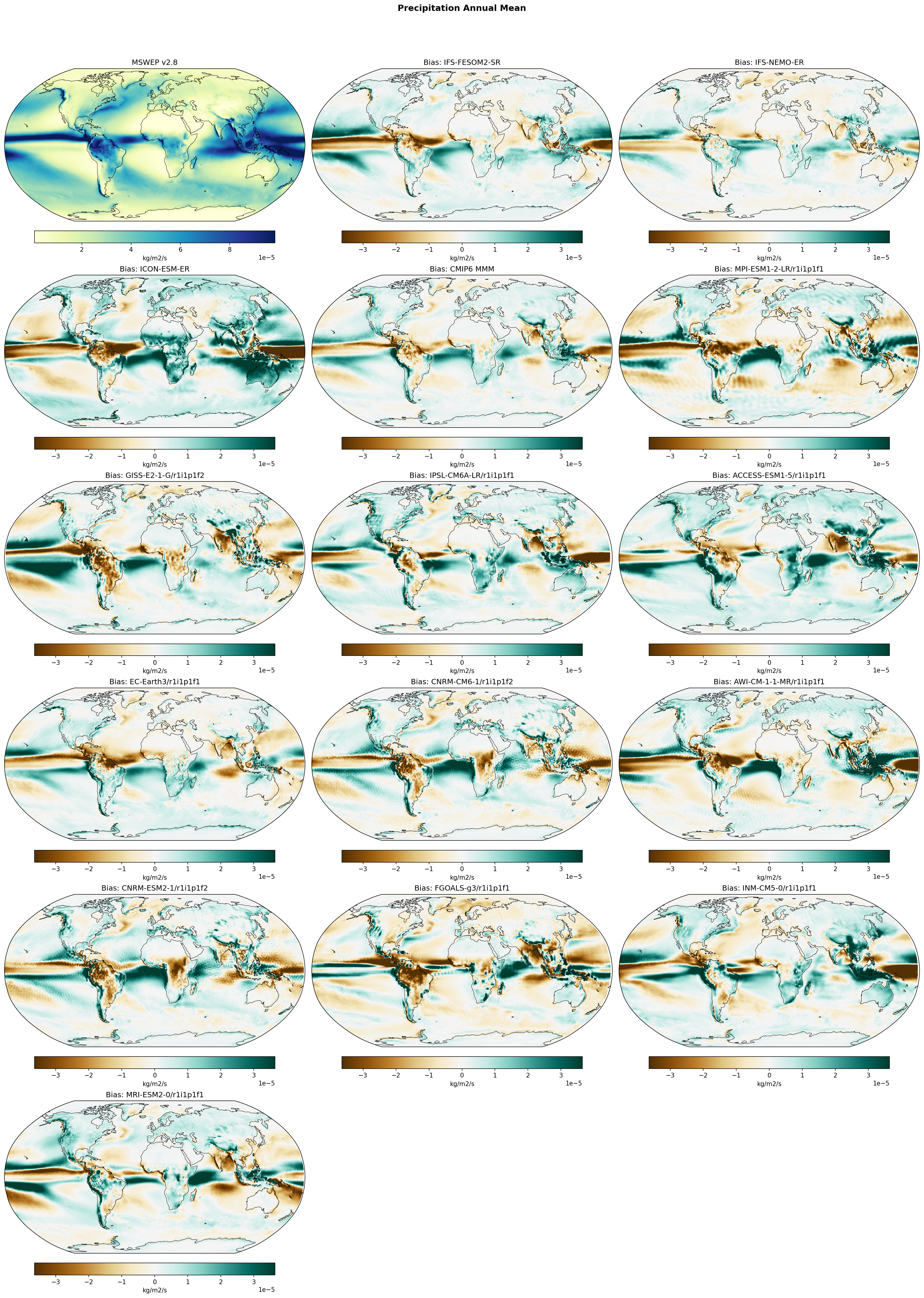
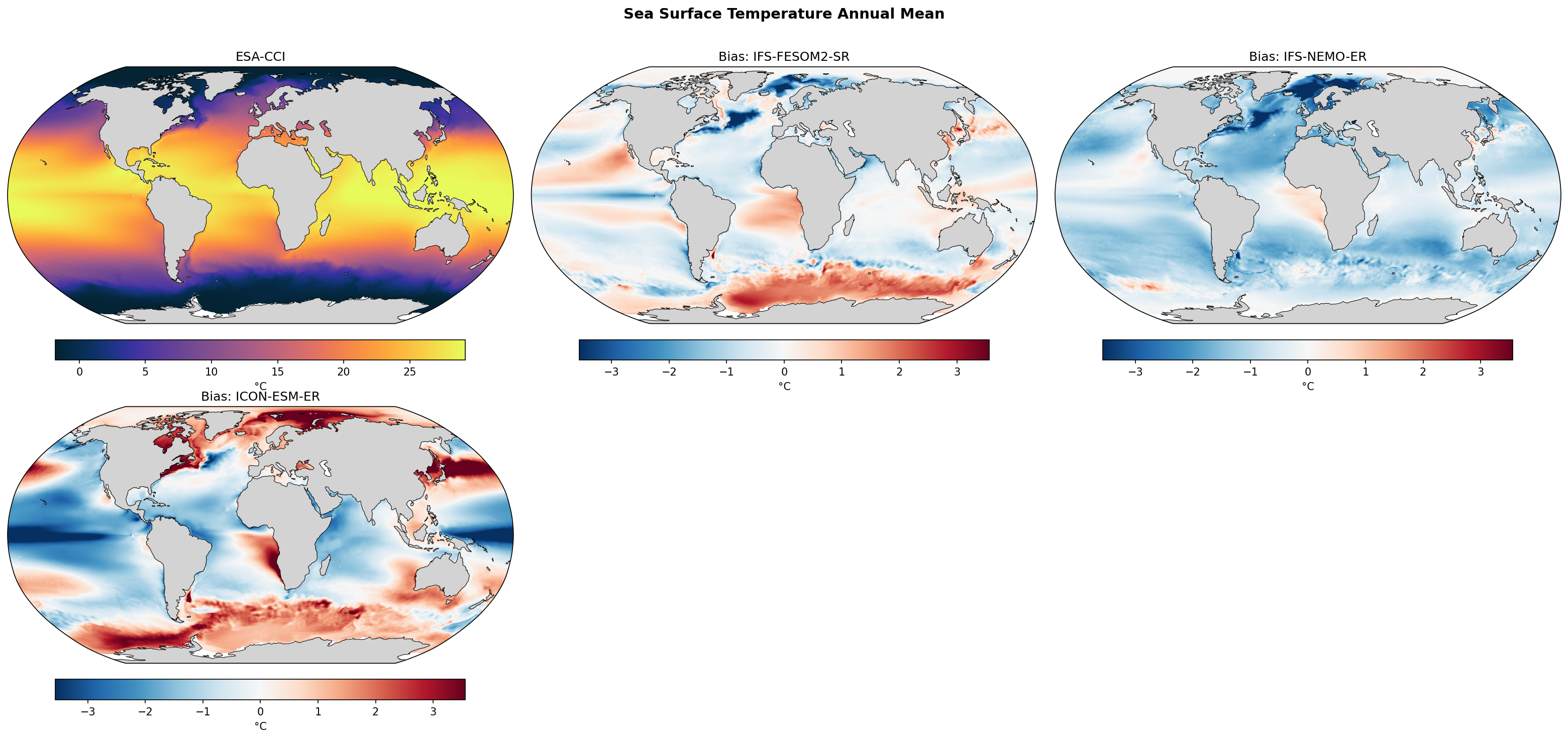
High-resolution IFS models significantly outperform ICON-ESM-ER and CMIP6 baselines by correcting key circulation and stratocumulus biases, demonstrating that atmospheric physics improvements outweigh ocean grid choices in determining global mean state fidelity.
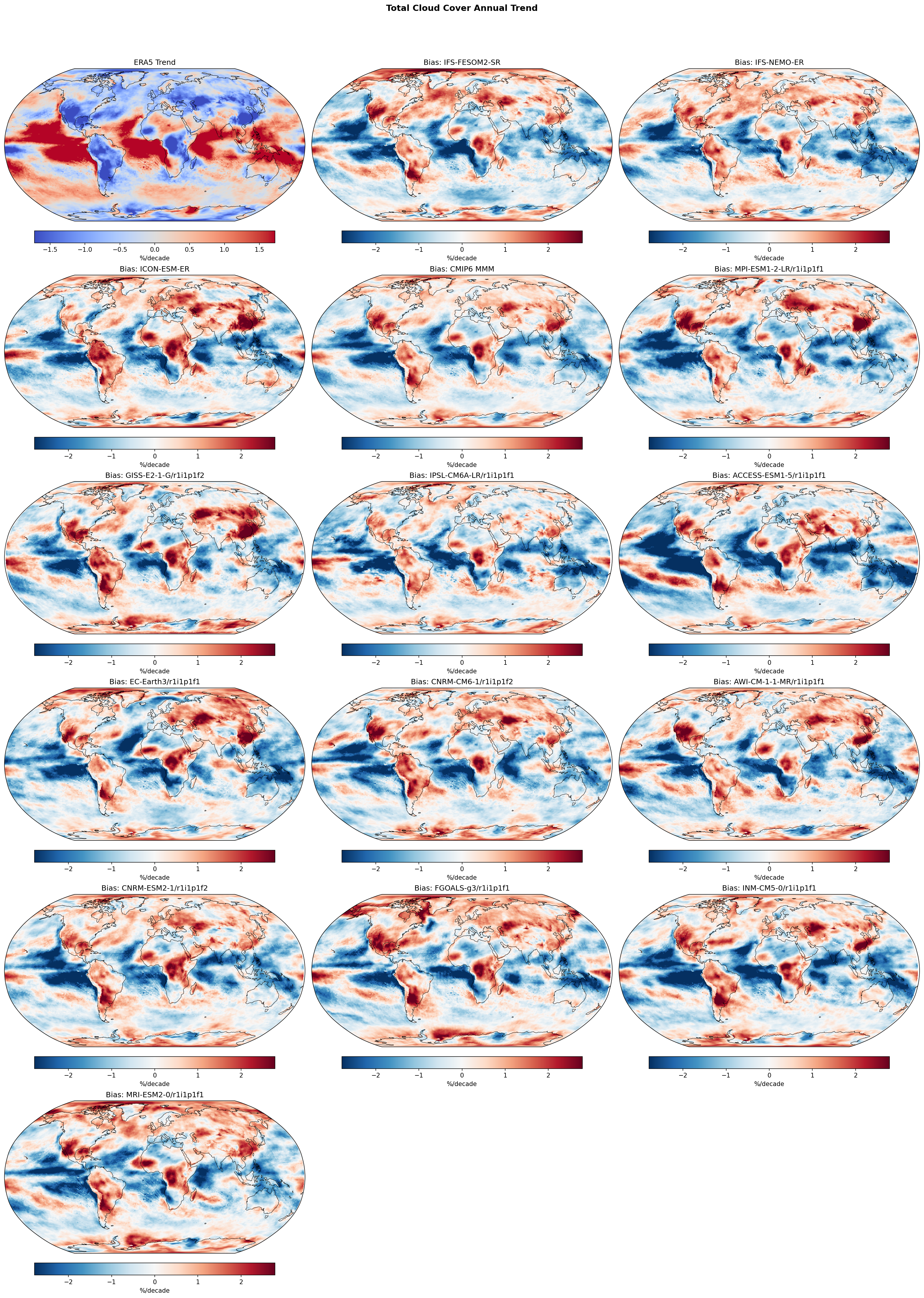
Global Linear Trends
CMIP6
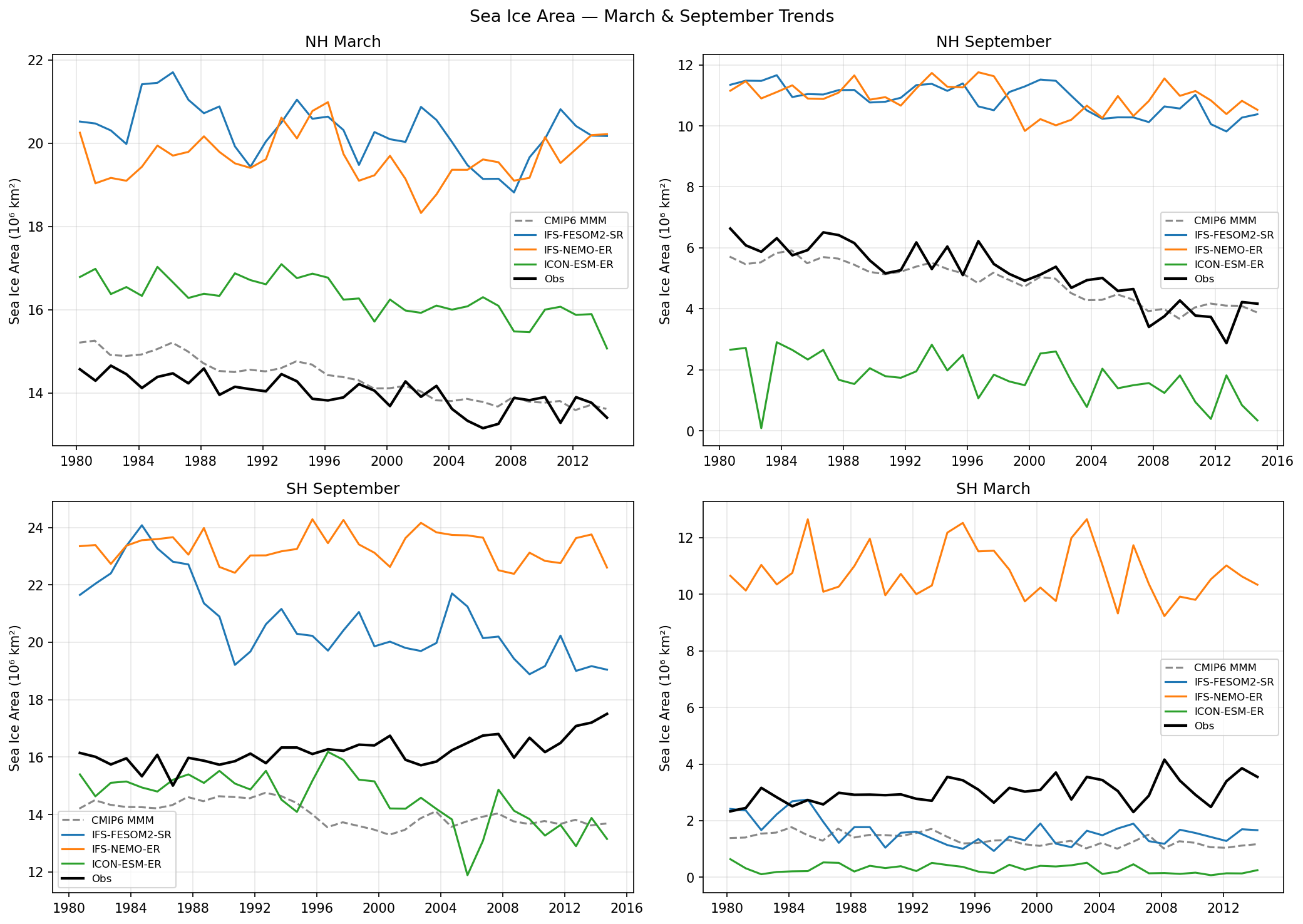
High-resolution models fail to capture the observed 1980–2014 strengthening of the Pacific Walker circulation and associated hydrological acceleration, exhibiting systematic trend biases identical to standard-resolution CMIP6 models due to internal variability phase mismatches.
Seasonal Cycle
CMIP6
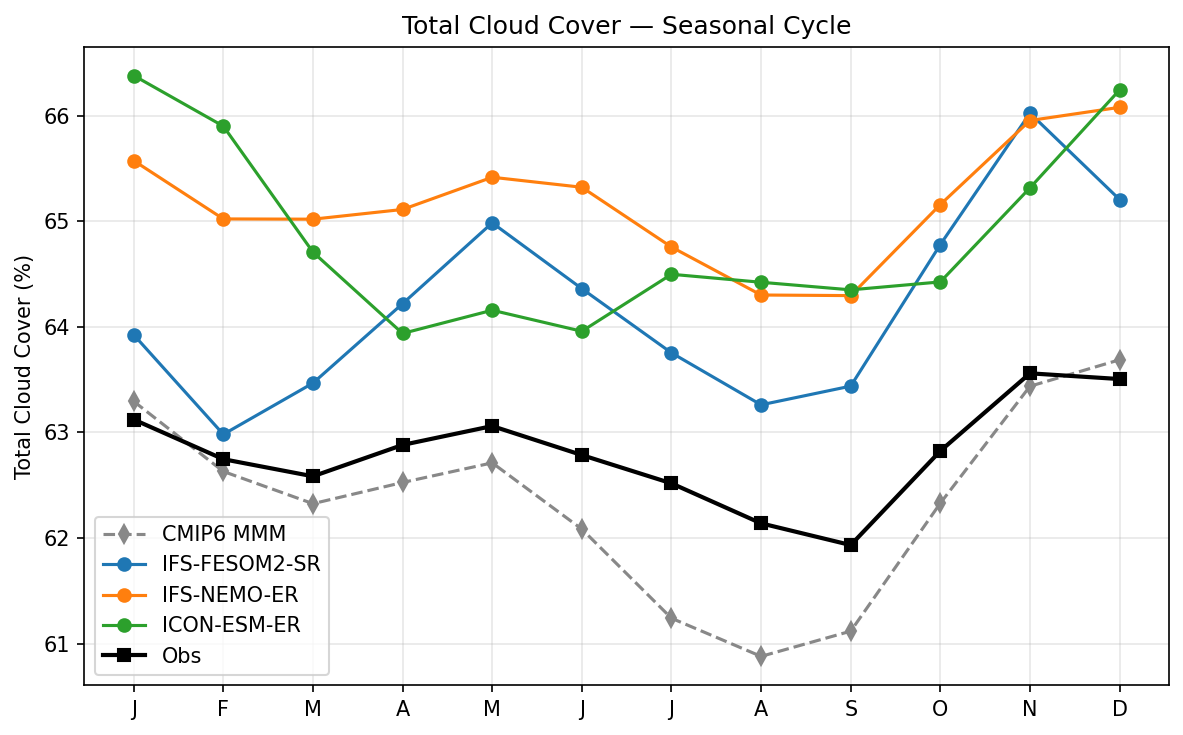
High-resolution models correct the CMIP6 surface shortwave radiation bias but bifurcate into a 'thermally accurate but wet' regime (IFS-FESOM) and a 'hydrologically accurate but cold' regime (IFS-NEMO).
Climate Variability Modes
CMIP6
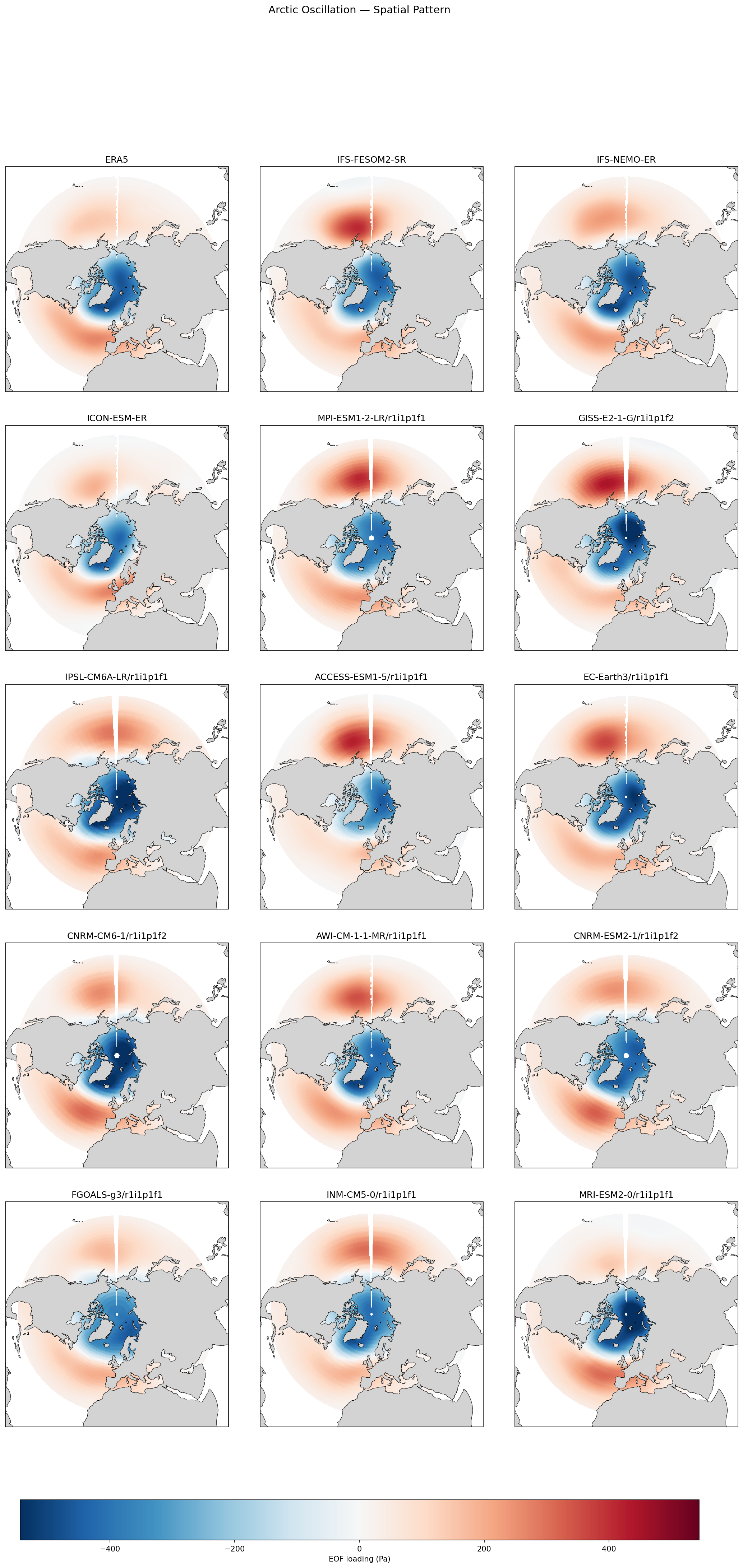
IFS-FESOM2-SR demonstrates superior skill in reproducing the amplitude and spectral characteristics of key coupled modes (ENSO, QBO, NAO), while ICON-ESM-ER suffers from a systemic suppression of tropical variability and a complete absence of stratospheric oscillations.
Global Mean Time Series
CMIP6
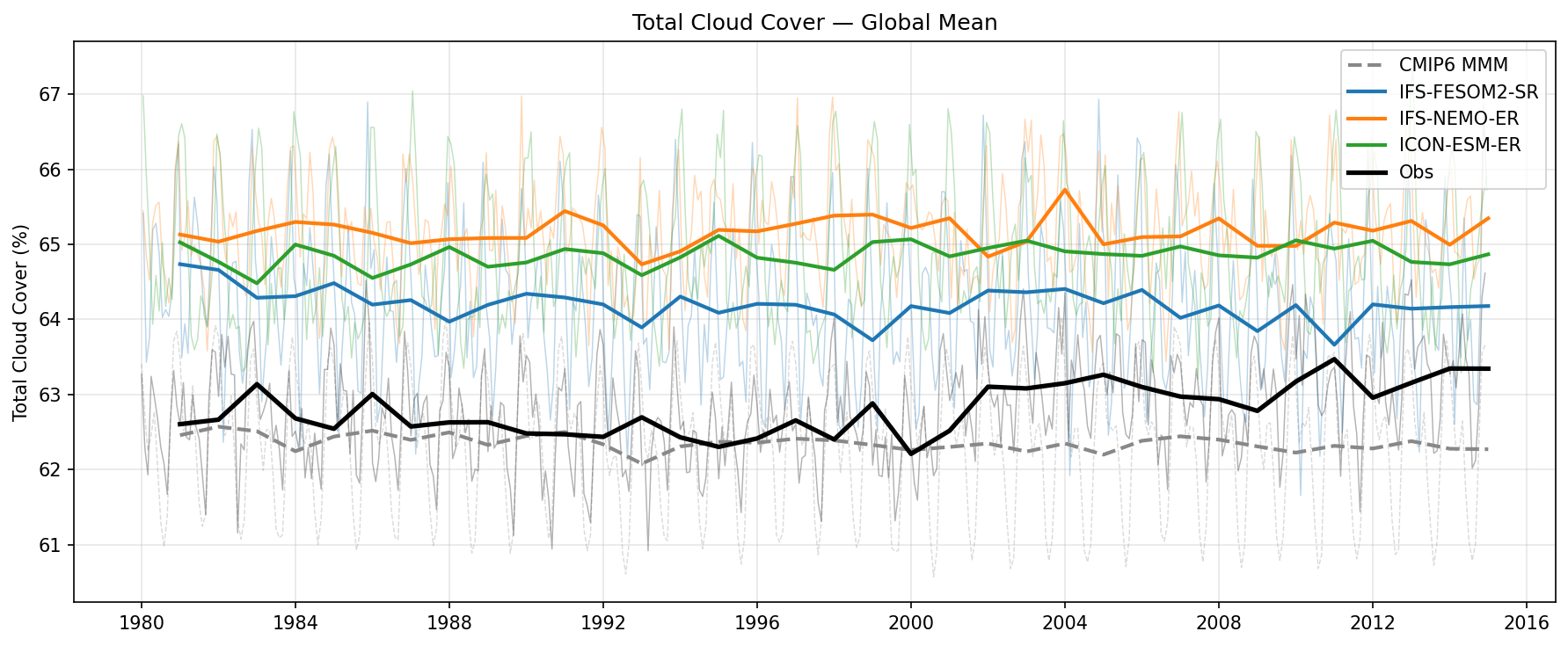
High-resolution coupling corrects CMIP6 surface solar radiation biases via increased cloud cover, though IFS-NEMO-ER exhibits a distinct cold-ocean syndrome while ICON-ESM-ER simulates an excessively vigorous hydrological cycle.